



AMELIA ISLAND, Fla. — The College Sports Commission notched a decisive victory in its first major test during the new landscape of college athletics, just as the organization’s leader addressed a roomful of coaches and athletic directors at the annual ACC spring meetings here. On Monday evening, moments after the outcome became public, CSC CEO Bryan Seeley appeared in a hotel hallway, visibly energized as he spoke with reporters.
“Today’s decision shows the arbitration system works,” Seeley said.
If the situation seems confusing, that’s understandable. The era of direct athlete compensation is still taking shape, with schools allowed to pay players—provided they follow the rules carved out by the NCAA and power conferences under the landmark House settlement.
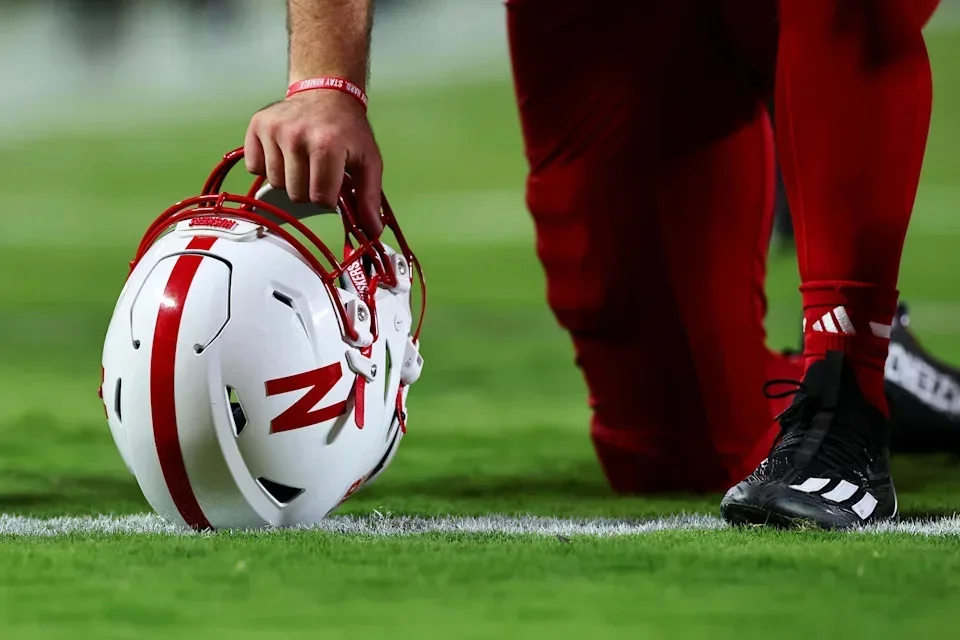
Here’s the straightforward version: A group of 18 Nebraska football players challenged the CSC’s rejection of their NIL deals, which totaled over $1 million. They lost. The neutral arbitrator ruled firmly in favor of the commission, with one source who reviewed the full ruling calling it “a beatdown.”
The arbitrator agreed with the CSC’s stance that the deals violated settlement terms. While schools can now pay athletes within a capped system, third-party NIL compensation faces stricter oversight. All such deals must pass CSC approval, which assesses legitimacy. In Nebraska’s case, the commission flagged the deals because they involved high sums with no specific athlete assignments, and were tied to Playfly Sports, the university’s multi-media rights partner—an entity the CSC considers “associated” with the school. Deals with associated entities, like boosters, face tighter scrutiny.
What does this mean going forward? “It feels validating to have an arbitrator agree with your decision,” Seeley said. “I think we have hopefully instilled some faith in this system.”
But the commission’s hurdles are far from cleared. At least two other schools—Georgia and an unnamed second institution—are pursuing similar arbitration challenges. More than a dozen universities are weighing whether to follow suit. Separately, the plaintiff attorneys in the House case, notably Jeffrey Kessler and Steve Berman, are contesting the CSC’s “associated entity” definition in a motion set for a hearing before the settlement’s magistrate judge at the end of the month.
The CSC won the first battle, but the broader war remains uncertain. “This is just one deal decided by one arbitrator,” Kessler said in a statement.
Even Seeley acknowledged the ruling doesn’t set a binding precedent, but the message is clear: Those who challenge the CSC may face an uphill fight. Two underlying issues complicate the landscape: Schools inflated athlete compensation last spring before the CSC began operations in July, and then in January and April, many promised third-party NIL payments that didn’t meet the commission’s thresholds. This volatile mix suggests the commission’s shaky foundation persists despite the costly arbitration victory.